Measures force
A calibrated load path reads the force of every squeeze in newtons, captured continuously rep after rep, so progress shows up as a number you can trust.

A compact biomechanical dynamometer and adjustable strengthening device for the hand and wrist. It measures force and motion, then streams every rep to a companion app.
PMARC began as a NASA Space Grant funded research project for astronaut resistance training, where long stretches in microgravity quietly erode muscle and bone. It is now an independent project, and that same precision drives what it does best on the ground: hand and wrist strength training and rehabilitation. An embedded module captures force, repetition, and range of motion in real time, turning every squeeze into data you can actually use.
A calibrated load path reads the force of every squeeze in newtons, captured continuously rep after rep, so progress shows up as a number you can trust.
An onboard motion sensor follows the orientation and range of motion of the hand and wrist, so you see how you really moved, not just how hard you went.
A wireless link pushes every reading straight to your phone the instant it happens. No cables, no docks, and no setup. Pick up the cube and just start.
Resistance tunes across a wide range, so a single cube carries someone from a gentle warm up all the way to full training load as their grip comes back.
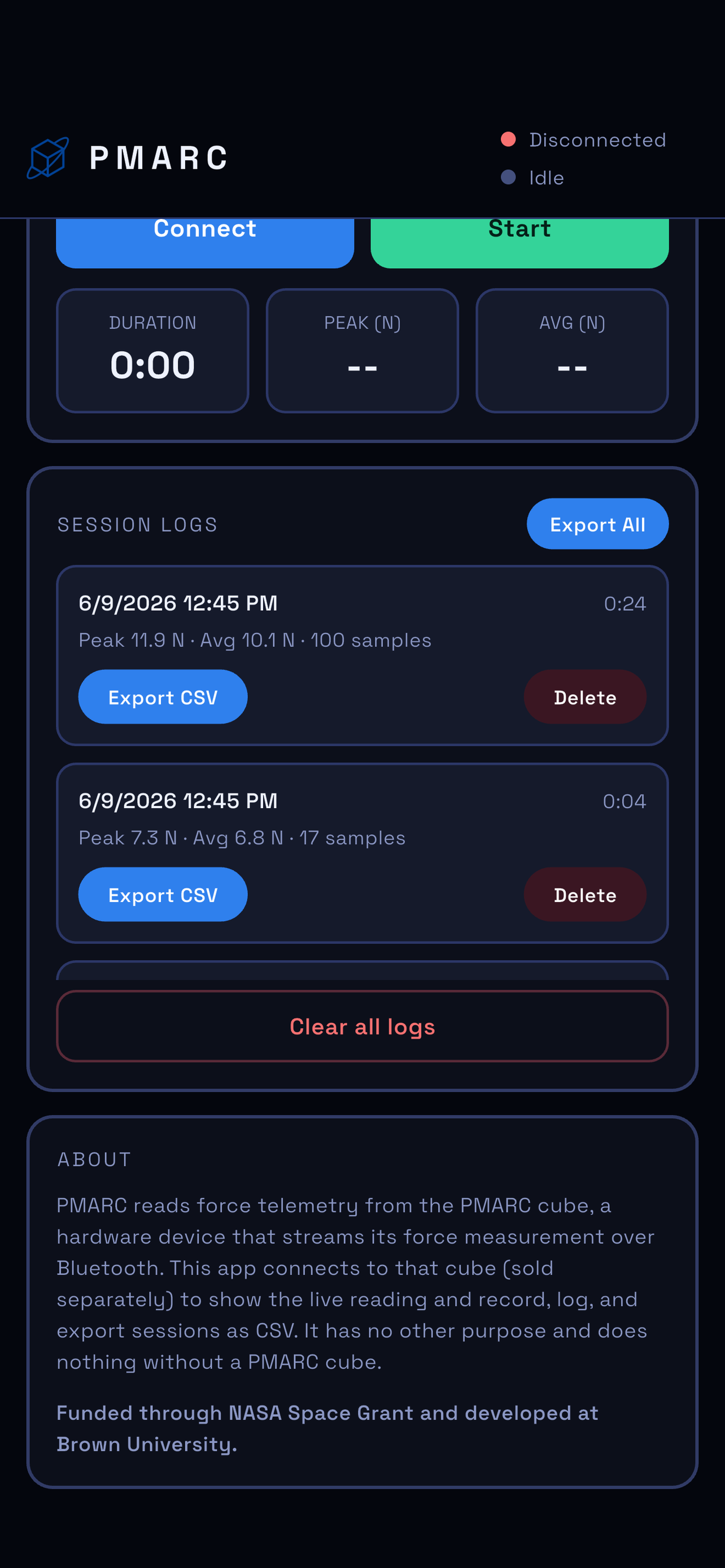
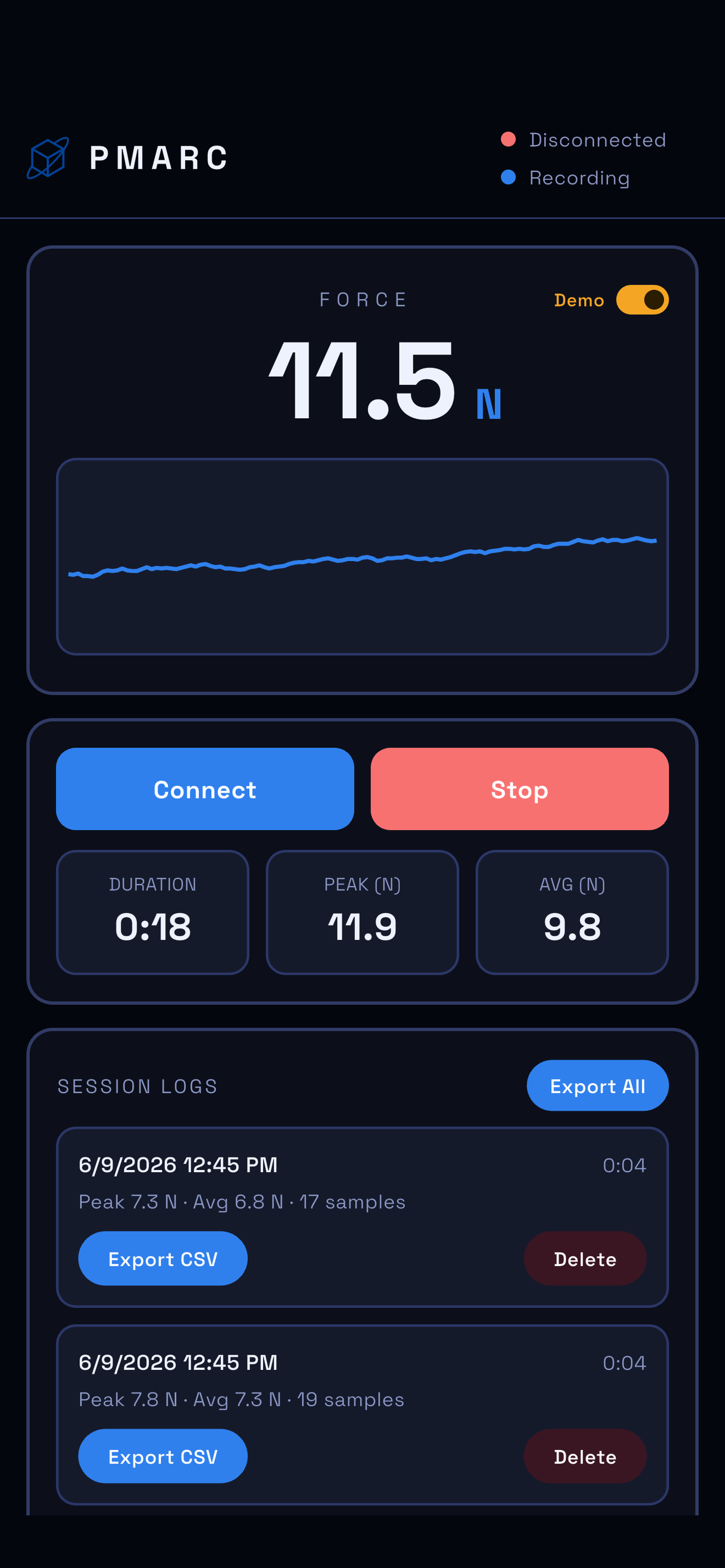
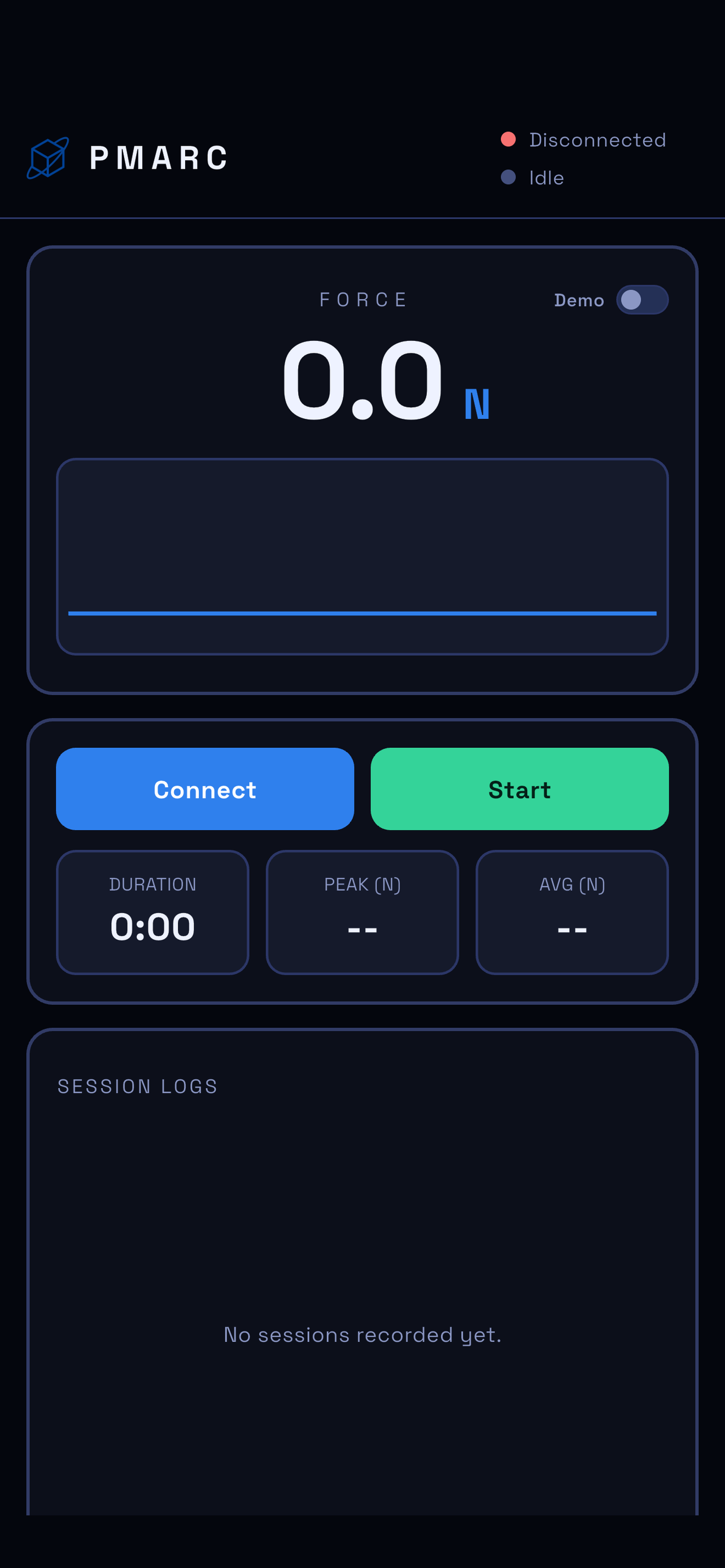
The companion app connects to the cube, shows the live reading, records timed sessions, and exports the data as CSV. Clean, fast, and built around the numbers that matter.